
The Simplicity of TEGs for Pipeline ICCP
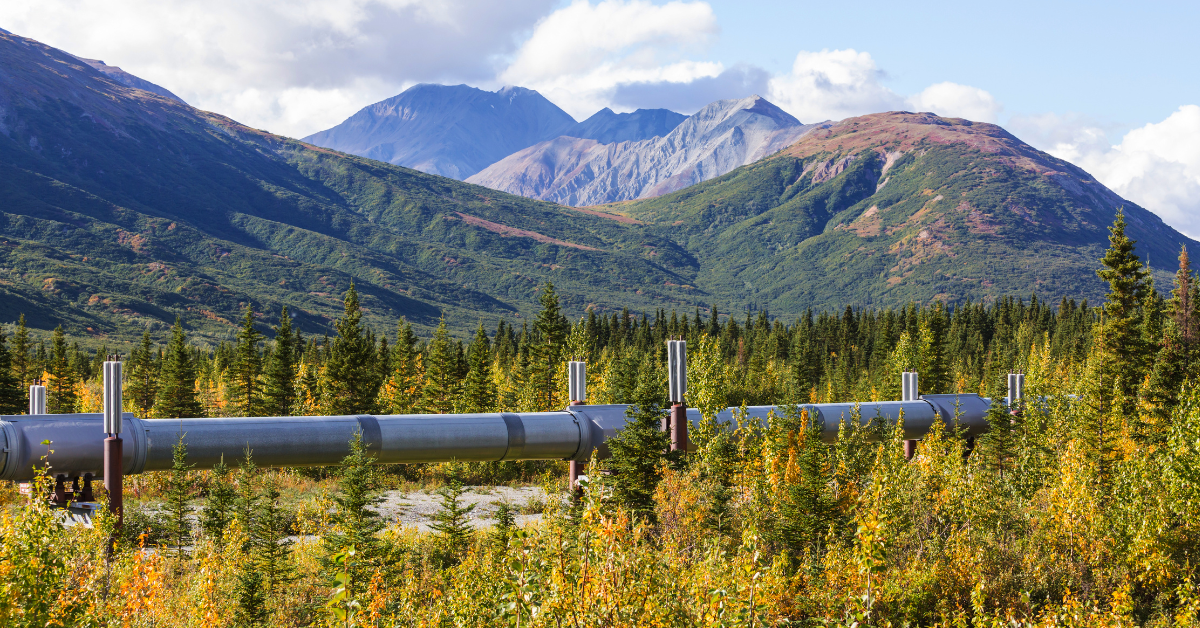
Corrosion is one of the biggest threats to pipelines and other critical infrastructure. Reliable cathodic protection is essential for maintaining asset integrity, reducing long-term maintenance costs, and helping operators meet industry standards. Industry standards such as AMPP and CSA Z662 outline requirements and recommended practices for controlling corrosion in buried steel pipelines through protective coatings and cathodic protection.
For long-distance pipeline systems, operators commonly rely on Impressed Current Cathodic Protection (ICCP). Unlike passive cathodic protection methods that use sacrificial anodes, ICCP uses an external DC power source to direct corrosion toward an anode instead of the protected pipeline.
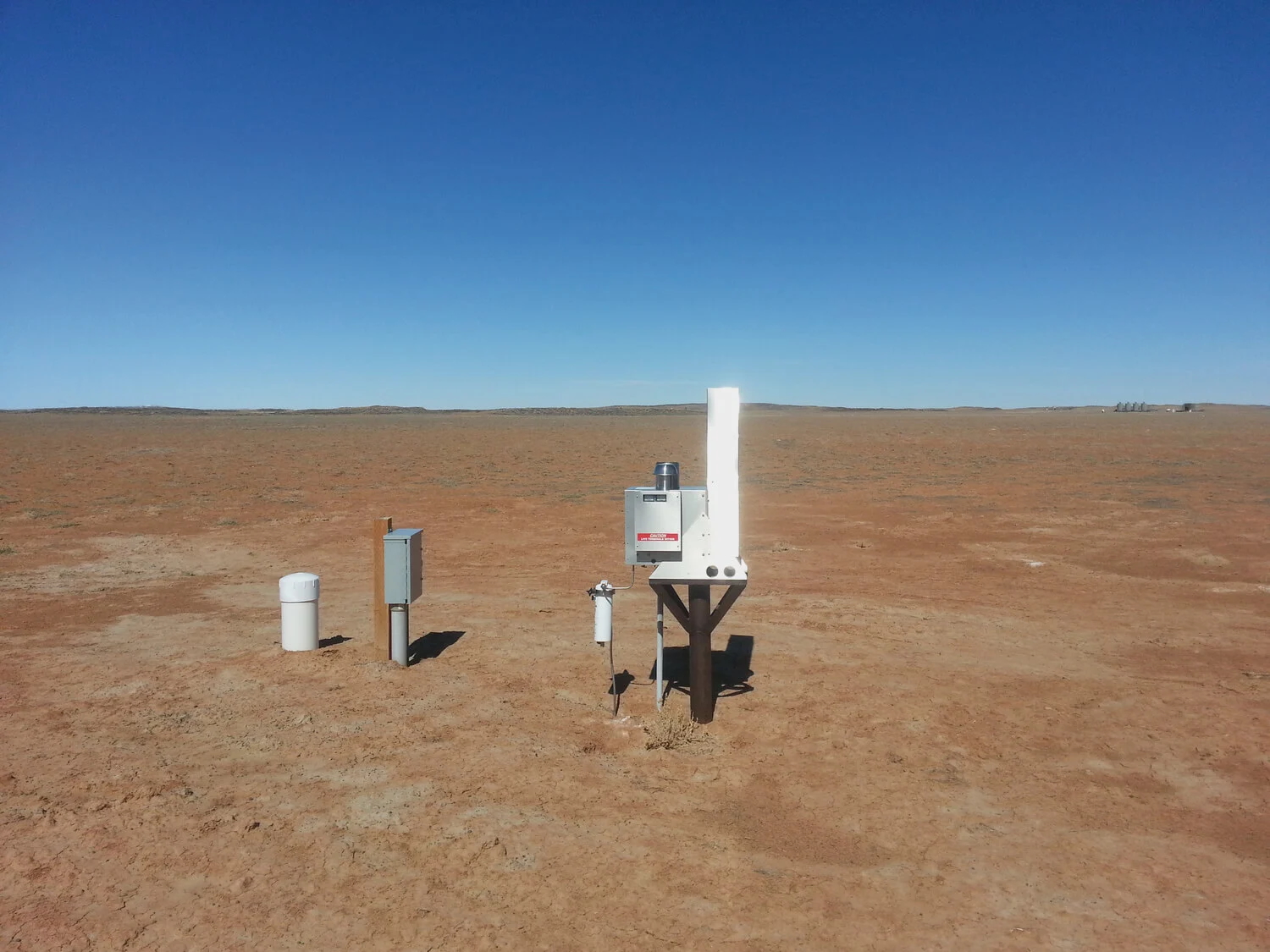
The TEG impresses current directly into a pipeline without batteries or a Rectifier.
Why Current Density Matters
The effectiveness of an ICCP system depends on current density, the amount of current applied over a given area of the pipeline surface. The required current density varies depending on several factors, including the pipe material, soil conditions, coating quality, and the overall corrosion risk.
Applying too little current can leave sections of the pipeline underprotected, allowing corrosion to develop. Applying too much current creates a different problem: cathodic overprotection. Excessive current can generate hydroxyl ions at the pipe surface, potentially leading to coating damage known as cathodic disbondment.
Operators need enough current to protect the pipeline without creating new maintenance issues.
The Challenge with Remote Locations
.png?width=2013&height=288&name=image%20(98).png)
In many applications, grid power and rectifiers provide the external power required for ICCP systems. However, pipelines often extend through remote areas where utility power is unavailable, unreliable, or expensive to bring to site.
As protection current travels farther from the power source, available current can decrease along the pipeline. Increasing the output of the power source may extend protection farther down the line, but it can also increase the risk of overprotection closer to the injection point.
This creates a challenge for operators: providing consistent protection across long pipeline distances without increasing maintenance costs or the risk of coating damage.
How TEGs Solve the Problem
.png?width=2013&height=288&name=image%20(99).png)
A Thermoelectric Generator (TEG) converts heat directly into electricity with no moving parts. Because TEGs provide continuous, reliable DC power with minimal maintenance, they are well suited for remote pipeline applications where conventional utility power is unavailable or unreliable.
Because a TEG produces DC electrical power, it can serve as the power source for an ICCP system without requiring a rectifier for AC-to-DC conversion. This can reduce system complexity compared with some alternative power solutions.
Compared with solar-powered systems that often require batteries and charge controllers, TEG-powered systems can simplify installation while providing continuous power regardless of weather or daylight conditions.
For remote cathodic protection sites where dependable power is critical, TEGs provide a reliable power source that:
- Reduces system complexity
- Minimizes maintenance requirements
- Supports long-term pipeline protection
.png?width=3000&height=1800&name=image%20(100).png)
Improving Reliability Along the Pipeline
Additionally, TEGs can be installed at multiple points along a pipeline to provide more consistent current distribution over long distances. This helps maintain protection across remote sections of the pipeline, making TEGs a practical solution where dependable distributed power is required.
Another important advantage is continuous operation. Many remote power systems are affected by changing weather conditions, battery performance, and increasing maintenance requirements over time. GPT Thermoelectric Generators are designed to provide continuous DC power with no moving parts, helping support cathodic protection applications where reliability is critical.
Key Takeaway
Remote pipelines require cathodic protection systems that are reliable, cost-effective, and easy to maintain. Thermoelectric Generators provide a dependable source of DC power for Impressed Current Cathodic Protection (ICCP) systems in locations where grid power is unavailable or impractical. By providing reliable DC power with minimal maintenance, TEGs can reduce system complexity and help maintain effective cathodic protection in remote locations.
The result is improved system reliability and long-term protection of critical pipeline infrastructure.